

For a restaurant, food is never only a product.
It is the preparation a chef can complete, the menu a team can deliver and the confidence behind a guest’s experience.
Before a meal reaches the table, a network of suppliers, logistics teams and local relationships has already helped make it possible.
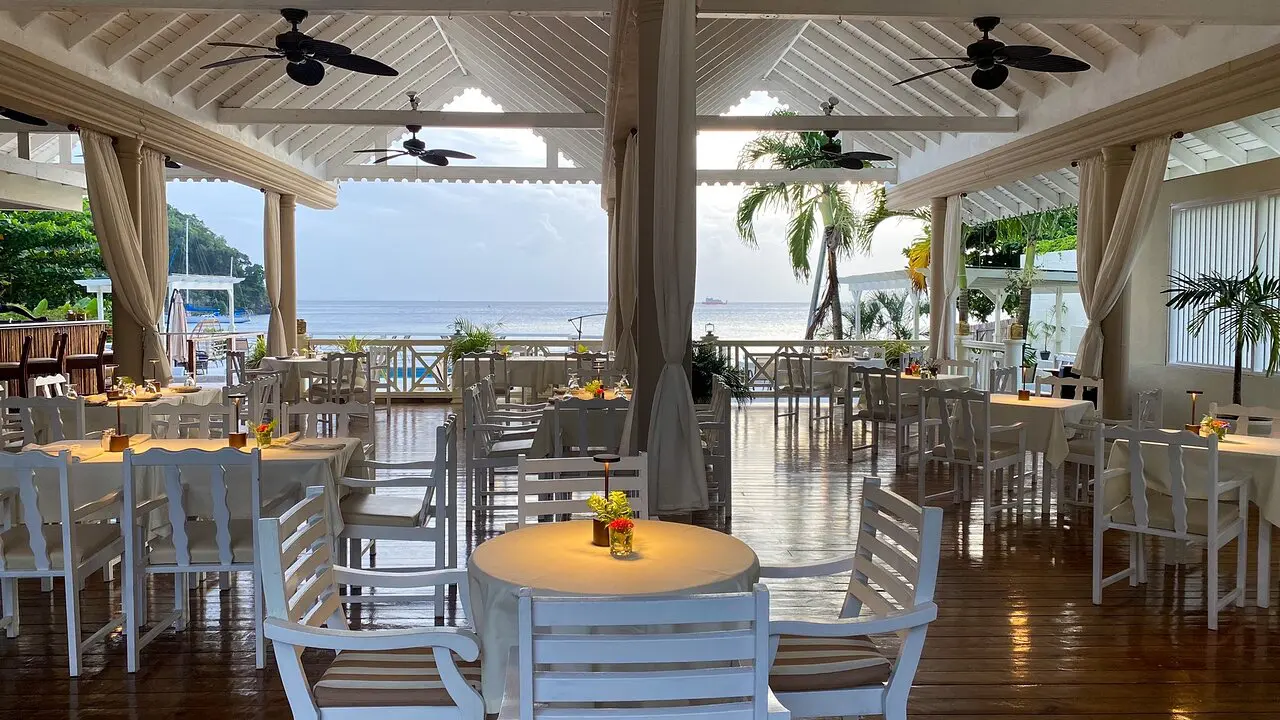
At Ada Restaurant in Arnos Vale, St. Vincent and the Grenadines, that connection between supply and service is central to daily operations. Known for its welcoming atmosphere and commitment to quality, the restaurant serves both residents and international visitors within the setting of Beachcombers Hotel.
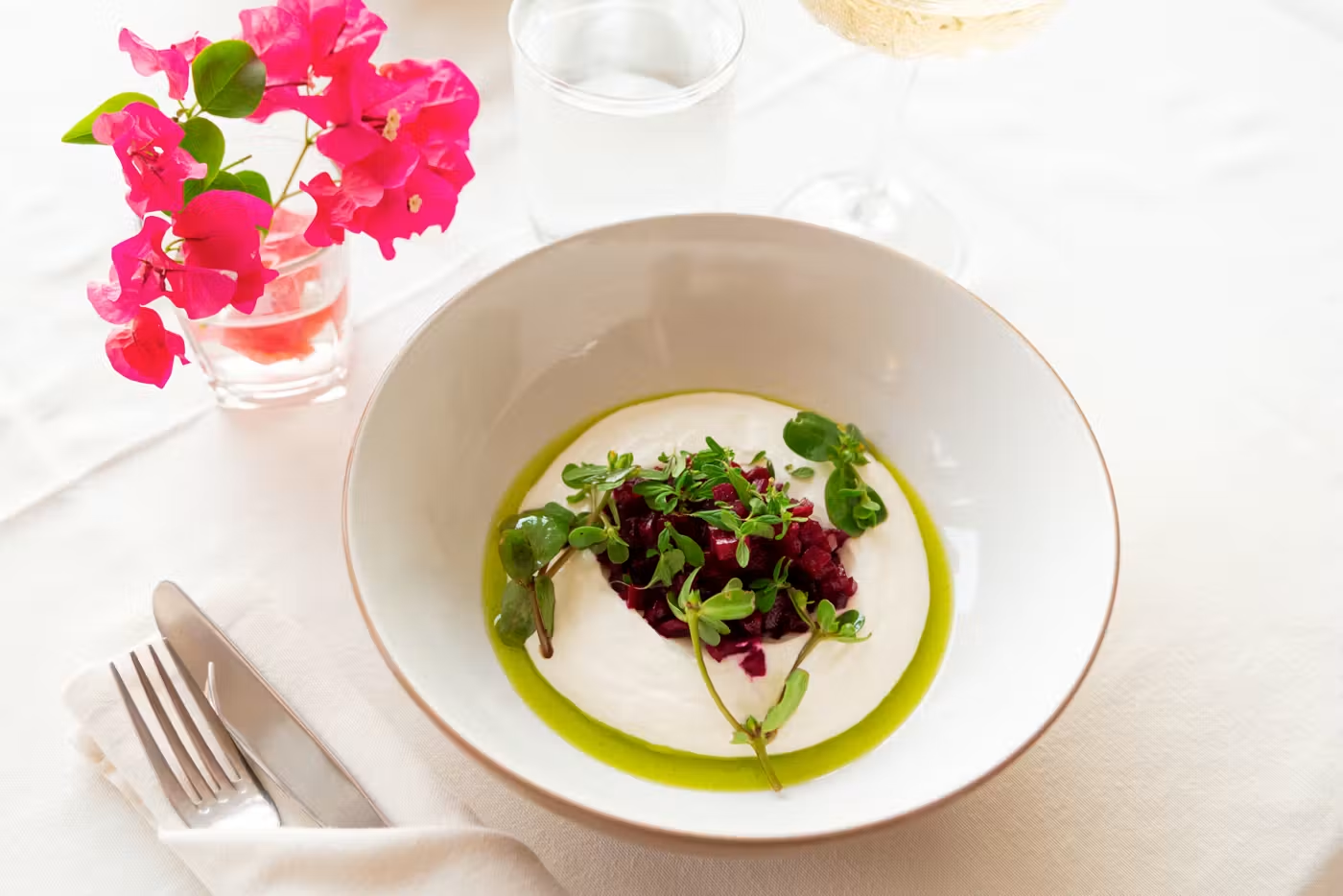
Its culinary identity brings together Anatolian, Mediterranean and Caribbean influences, with a strong emphasis on fresh ingredients sourced from Vincentian farmers and fishermen.
Supporting that identity requires procurement that respects the restaurant’s standards, its local relationships and the commercial realities of running a professional kitchen.
This is where the partnership with Paradise Foods comes into focus: trusted sourcing, practical digital solutions and regional knowledge working together to support reliable food supply.
The context: quality dining depends on reliable supply
Running a quality-driven restaurant in St. Vincent takes more than culinary expertise.
Product availability, import schedules and logistical variables can affect what reaches a kitchen, when it arrives and how easily teams can plan their service.
These considerations are particularly important for fresh produce.
The condition of an ingredient on arrival influences how it can be prepared, how long it remains usable and whether it meets the expectations behind a dish. Price matters, but so do handling, consistency and suitability for professional use.
For restaurant managers, procurement also involves balancing several priorities at once. Kitchen teams need ingredients that support menu execution. Management needs purchasing decisions that remain commercially viable. Both need sufficient clarity to organise their work around service requirements.
Ada Restaurant’s commitment to locally sourced ingredients remains an important part of this picture. Reliable supply should support the choices of a local hospitality business, including its relationships with producers, rather than assume that imported products replace local production.
The wider challenge is coordination: bringing different sourcing needs together in a way that supports the restaurant’s identity and operational rhythm. A structured supplier relationship can help make that process more manageable, while leaving culinary decisions with the people who know their guests and their kitchen best.
A Partnership built on local trust
Paradise Foods was introduced to Ada Restaurant through a trusted local business partner.
That introduction established an initial foundation of confidence, creating the opportunity to build a relationship around practical needs and shared expectations.
The restaurant is owned by Efe Gurol, who also serves as Managing Director at Ada Restaurant and Beachcombers Hotel. His involvement in St. Vincent’s hospitality community gives him a perspective that extends beyond the needs of a single dining venue.
For an operator working across restaurant and hotel environments, a supplier’s value is measured through daily execution. Products must meet professional kitchen standards, arrive in suitable condition and offer a balance between quality and cost that makes sense for the business.

Since 2025, Ada Restaurant has worked with Paradise Foods as a core supply partner. Over the course of the collaboration, consistent deliveries have supported the restaurant’s service rhythm and product requirements.
The relationship illustrates how local knowledge and trusted connections create the conditions for a lasting commercial partnership. An introduction opens the conversation; reliable service gives that conversation substance over time.
For hospitality operators, that confidence grows through repeated experience, clear responsibilities and a consistent working relationship.
“Working with Paradise Foods has been a consistently positive experience from an operational standpoint.
Their product quality is reliable, well-handled, and aligned with professional kitchen standards, while still offering strong price-performance value in the market.
For hospitality operators, that balance between quality and cost control makes them a dependable long-term partner.”
__ Efe Gurol, Managing Director at Ada Restaurant and Beachcombers Hotel
Supporting the kitchen across multiple categories
Today, Paradise Foods supports Ada Restaurant across a broad assortment of product categories.
High-quality fresh produce forms the main part of this supply relationship, complemented by selected meat products and dry goods that support menu preparation and inventory needs.
Essential cleaning supplies are also sourced through the same channel.
Although these products serve a different purpose from ingredients, they remain part of the practical foundation of restaurant operations. A kitchen depends on the supplies that support preparation, service and the working environment as a whole.
Consolidating these needs within one structured supplier relationship helps reduce the number of separate purchasing conversations the restaurant must coordinate.
It gives teams a clearer framework for managing several categories through a familiar channel.
This does not remove every variable associated with procurement in an island market. It does, however, help address the coordination burden that can arise when sourcing is fragmented across multiple contacts and processes.
For Ada Restaurant, the partnership connects product selection with the realities of daily service. Fresh ingredients support culinary execution; dry goods contribute to inventory continuity; operational essentials help keep the wider business functioning.
That combination reflects a practical understanding of hospitality supply. The value of a delivery lies in what the restaurant can do once the products arrive: prepare, serve, plan and maintain the standards its guests expect.
Quality and cost control within the same conversation
Efe Gurol’s assessment highlights an essential consideration for hospitality businesses: quality and affordability need to be evaluated together.
A purchasing decision is rarely complete when a price is compared.
Professional operators also consider the condition of a product, its consistency and its usefulness within the kitchen. An ingredient needs to support the intended preparation and fit the commercial requirements of the menu.
This is why price-performance value matters. A supply relationship must make sense operationally as well as financially, allowing the restaurant to maintain its standards while exercising responsible cost control.
The Ada case does not depend on claims of quantified savings. Its value is expressed through the customer’s experience of reliable quality, suitable handling and a commercially relevant product offering.
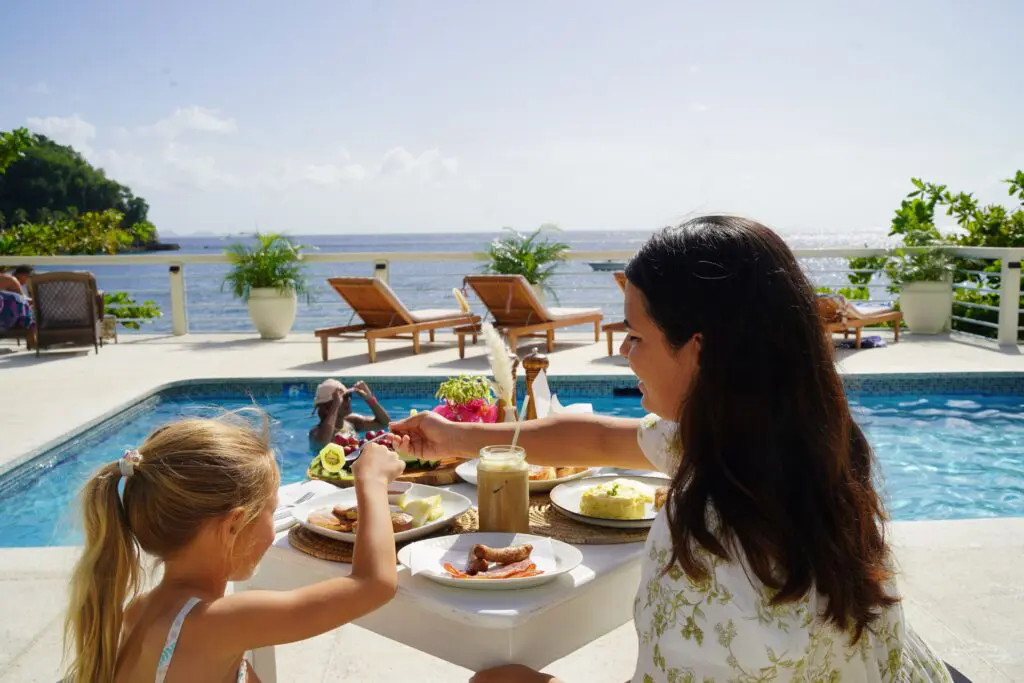
For Paradise Foods, this reinforces the importance of trusted sourcing shaped by professional needs. Understanding a restaurant’s priorities means recognising that purchasing, preparation and guest experience are connected decisions.
Digital infrastructure: the professional shop in practice
A key part of the collaboration is the Paradise Foods Professional Shop, a digital ordering platform designed for professional hospitality procurement.
Within the Ada partnership, the platform provides a structured way to select products, create bookings and orders, and define delivery preferences. These steps bring procurement into a shared process that kitchen teams and management can use according to their responsibilities.
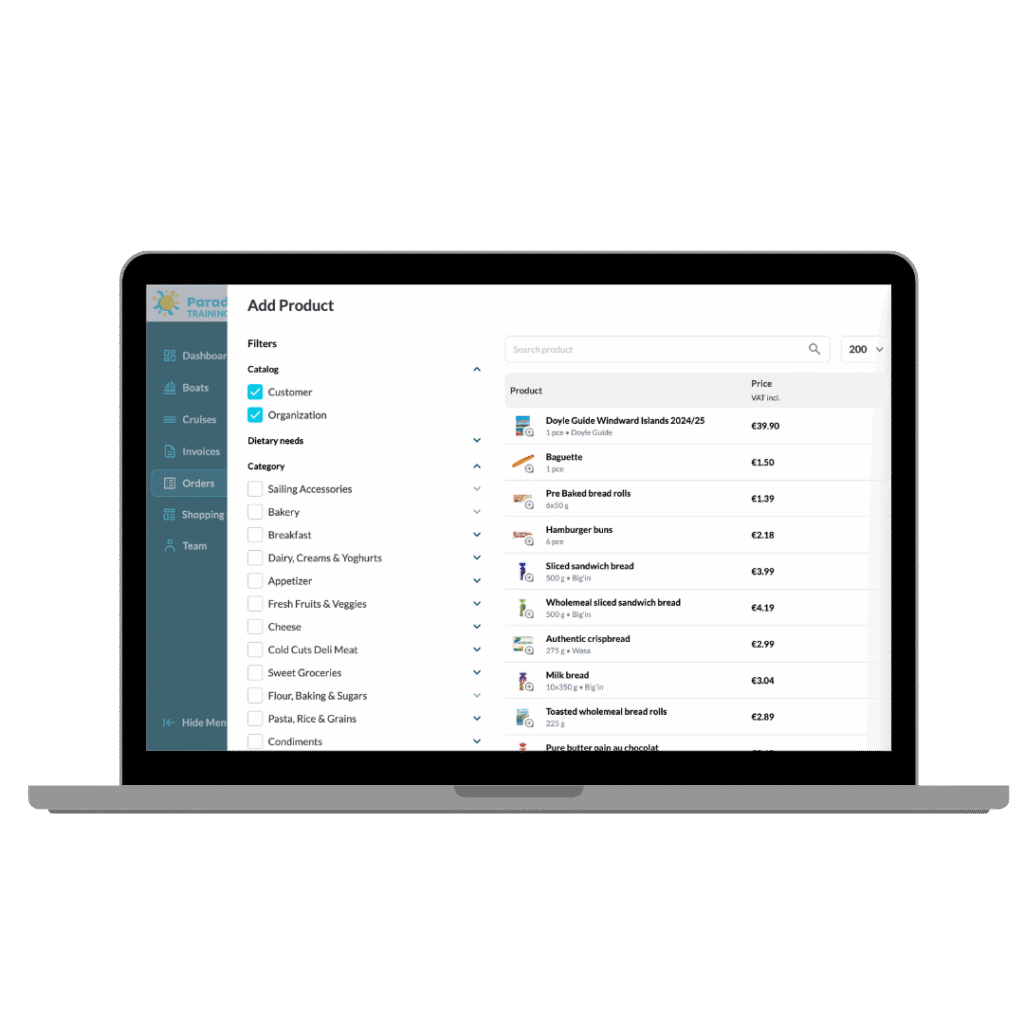
The Professional Shop operates with two distinct views:
- Admin view: gives management oversight of budgets and approvals.
- Crew view: allows chefs and team members to place orders within pre-approved parameters.
This distinction supports a practical balance between team autonomy and financial control. Kitchen staff can order what they need within the agreed framework, while management retains oversight of purchasing decisions.
In a busy restaurant, that division of responsibilities matters. Chefs are close to preparation needs and ingredient requirements. Managers are responsible for the broader commercial picture. A shared system helps connect those perspectives without requiring every routine decision to follow the same approval path.
Digital infrastructure is useful when it supports the work people already need to do. Here, its role is to make procurement clearer, more organised and easier to coordinate around service timelines.
The platform remains one part of the supply relationship. Product handling, delivery execution and an understanding of the local market give the ordering process its operational value. Together, these elements connect a purchasing decision with the products a team needs to receive.
From a restaurant relationship to wider hospitality connections
The significance of the Ada Restaurant partnership extends beyond individual orders. St. Vincent’s hospitality businesses operate within a professional community where experience, introductions and recommendations can influence future relationships.
Alongside his responsibilities at Ada Restaurant and Beachcombers Hotel, Efe Gurol is involved in the St. Vincent and the Grenadines Hotel and Tourism Association.
His connections within the sector place the partnership within a wider network of hospitality operators.
Ada Restaurant’s positive operational experience led to introductions to additional businesses, including Paradise Beach Hotel and La Vue Hotel. These connections demonstrate how a supplier relationship can develop through professional confidence and direct recommendations.
Each business has its own requirements, purchasing priorities and service expectations. An introduction creates an opportunity to understand those differences and explore an appropriate working relationship.
For Paradise Foods, this is a meaningful form of local market access: building relationships through the experience of the businesses already using its services.
Trust develops through delivery and dialogue, then travels through the professional networks that connect the island’s hospitality community.
What This Case Reveals About More Resilient Food Systems
Paradise Foods is a European-Caribbean platform for resilient food systems.
Its approach combines trusted sourcing, local infrastructure, digital solutions and deep market knowledge to connect food supply with the needs of businesses and partners across the region.
The Ada Restaurant collaboration gives that positioning a concrete setting. It shows how a broader approach to food supply becomes useful within a professional kitchen: several purchasing needs supported through one relationship, ordering responsibilities organised digitally, and product quality assessed against operational standards.
Resilience, in this context, is a practical direction. It involves strengthening the relationships and processes that help businesses plan and operate when supply conditions can vary. It is built through coordination, suitable infrastructure and a clear understanding of local priorities.
The partnership also demonstrates why Caribbean market knowledge matters. Islands have distinct business communities, supply conditions and relationships. Effective support begins with understanding those differences and working alongside the people who operate within them.
Ada’s culinary identity and local sourcing commitments remain central. Paradise Foods contributes as a supply partner within that existing environment, supporting access and reliability while respecting the role of Vincentian production.
This is how a company-level ambition connects with everyday value: a restaurant team gains a more structured procurement relationship, and the food supply behind its service becomes more connected.
Looking ahead: a foundation for daily service
For Ada Restaurant, the collaboration with Paradise Foods provides a reliable foundation for daily operations and its continued place within St. Vincent’s hospitality landscape.
For Paradise Foods, it reinforces a principle that guides its broader B2B work: a useful supply partner understands what the customer needs to make possible after delivery.
In hospitality, that means supporting the preparation behind a meal, the decisions behind a menu and the people responsible for welcoming guests. Products, local knowledge and digital tools gain their value through that work.
Food is not only a product. It is what allows a kitchen to serve and a business to plan with greater confidence.
Looking for structured restaurant or hotel supply in the Caribbean?
Connect with the Paradise Foods team to discuss your sourcing priorities, product requirements and procurement needs.
Together, we can explore practical supply solutions shaped around your operations.